
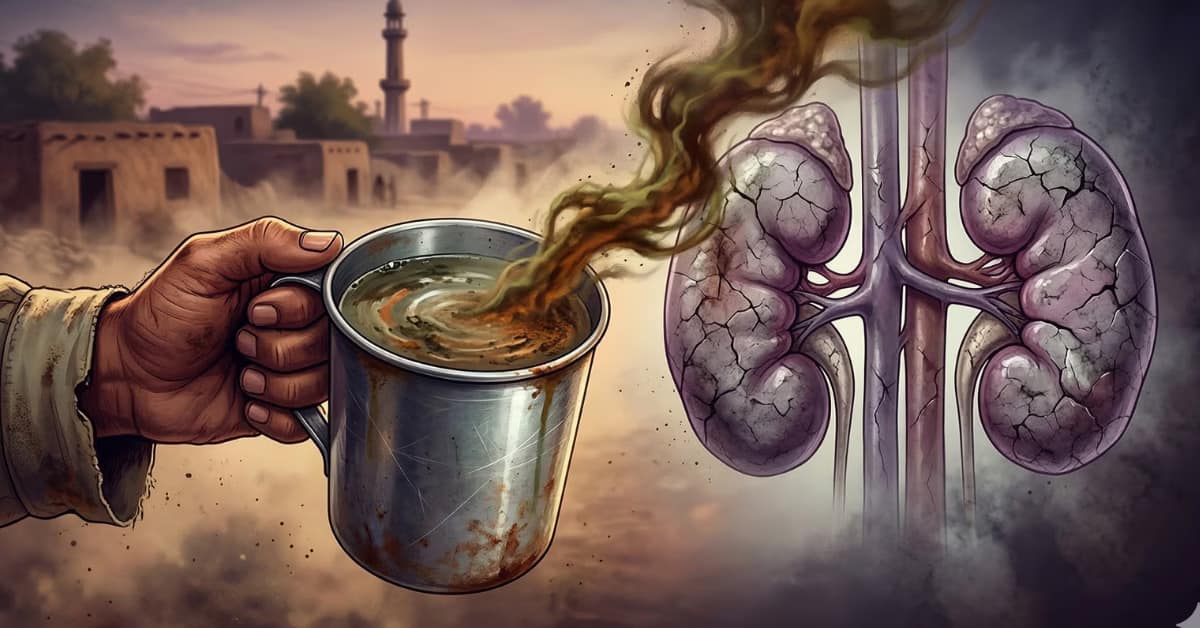
Water is the essence of life, but what happens when the very water we drink becomes a silent threat to our health? In a stark warning that has sent ripples through the healthcare sector, the Pakistan Medical Association (PMA) has highlighted a direct and alarming link between contaminated drinking water and the rapidly growing kidney disease crisis in Pakistan.
Issued on World Kidney Day—under the global theme “Kidney health for all, caring for people, protecting the planet”—this warning sheds light on a public health emergency that is expected to force tens of thousands of new patients into life-saving treatments this year alone.
A Looming Health Emergency: Thousands of New Cases Expected
The statistics presented by medical authorities are nothing short of devastating. According to the PMA, Pakistan is projected to see between 25,000 and 50,000 new patients diagnosed with end-stage renal disease (ESRD) this year.
End-stage renal disease is the final, permanent stage of chronic kidney disease, where kidney function has declined to the point that patients cannot survive without continuous, exhausting treatments like dialysis or a full kidney transplant. The sheer volume of these expected cases threatens to overwhelm an already strained healthcare system.
The Root Cause: A Severe Clean Water Deficit
Why are kidney failure rates climbing so rapidly? The answer largely flows from our taps. Abdul Ghafoor Shoro, a representative of the PMA, pointed out a grim reality: an estimated 80 percent of Pakistan’s population currently lacks access to clean, safe drinking water.
This crisis is heavily concentrated in specific regions, with rural areas across Sindh and Balochistan bearing a massive portion of the burden. When communities do not have access to safe water, they are forced to consume whatever is available, unknowingly exposing their internal organs to severe damage.
The Dangers Lurking in the Water Supply
Health experts and nationwide environmental studies have identified a toxic cocktail of pollutants in local water supplies:
- Heavy Metals: Dangerous elements like arsenic and lead are frequently found in groundwater. Over time, these heavy metals accumulate in the body, causing irreversible damage to the kidneys’ filtration systems.
- Harmful Pathogens: Bacteria and parasites cause severe infections that weaken the body’s immune response and overall organ health.
The situation in major urban hubs is equally dire. In Karachi, reports indicate that over 90 percent of water sources are tainted with hazardous pollutants. Frequent utility shortages and power outages further compound the issue, leaving many residents with no choice but to consume unboiled and unfiltered water, significantly driving up kidney disease cases, even among young children.
The Growing Burden of Chronic Kidney Disease
The scale of the problem is massive. Medical data cited by the PMA reveals that Chronic Kidney Disease (CKD) currently affects roughly 15 to 20 percent of adults over the age of 40 in Pakistan. The annual incidence rate is staggering, reaching up to 100 cases per million people.
Despite this escalating crisis, Pakistan’s national health spending remains critically low—hovering below 1 percent of the GDP. The PMA is urgently demanding that the government significantly increase funding for comprehensive healthcare services to combat this epidemic.
A Call for a National Emergency Plan
Treating the symptoms is no longer enough; the root causes must be addressed. The PMA has strongly criticized the current approach of health authorities, which often involves pouring massive funds into building high-end kidney treatment facilities while completely neglecting basic, preventative public health measures.
To turn the tide, the association is demanding a National Emergency Plan focused on:
- Universal Access to Clean Water: Ensuring that filtered, safe drinking water is accessible in every corner of the country.
- Infrastructure Expansion: Rapidly expanding dialysis centers and dedicated nephrology departments within public hospitals to handle the current influx of patients.
- Upgrading Basic Health Units: Increasing funding for local clinics to improve early screening for hypertension and diabetes—the two leading triggers for kidney failure.
How to Protect Yourself: Expert Public Health Advice
While systemic changes take time, health experts urge the public to take immediate, proactive steps to protect their kidney health. Uncontrolled diabetes and hypertension account for more than 60 percent of all kidney failure cases, making lifestyle choices your first line of defense.
Here are the crucial preventive measures recommended by medical professionals:
- Purify Your Water: Always drink boiled or properly filtered water. Never consume untreated groundwater, as it is highly likely to contain heavy metals.
- Monitor Your Vitals: Keep a close, regular check on your blood pressure and blood sugar levels. Early detection is the key to preventing kidney damage.
- Watch Your Diet: Cut back on high-sodium junk foods, processed snacks, and sugary drinks.
- Combat Obesity: Maintain a healthy weight. The rise of poor diets and childhood obesity is directly linked to the increasing risk of kidney disease in younger generations.
Protecting our kidneys starts with what we put into our bodies. It is time for both the public to adopt healthier habits and the authorities to ensure that clean water is recognized not as a luxury, but as a fundamental human right.