Welcome back to another post on The TechDrive! Today, we are diving deep into a topic that is reshaping the modern business landscape: how to successfully integrate Artificial Intelligence into your organization. Whether you are running a startup or a large corporation, the shift toward an AI-driven model can feel overwhelming.
Drawing from Andrew Ng’s excellent DeepLearning.ai presentation on “Building AI in Your Company,” we are going to break down the exact steps, team roles, and strategies you need to make this transformation a reality.
Understanding Complex AI Products
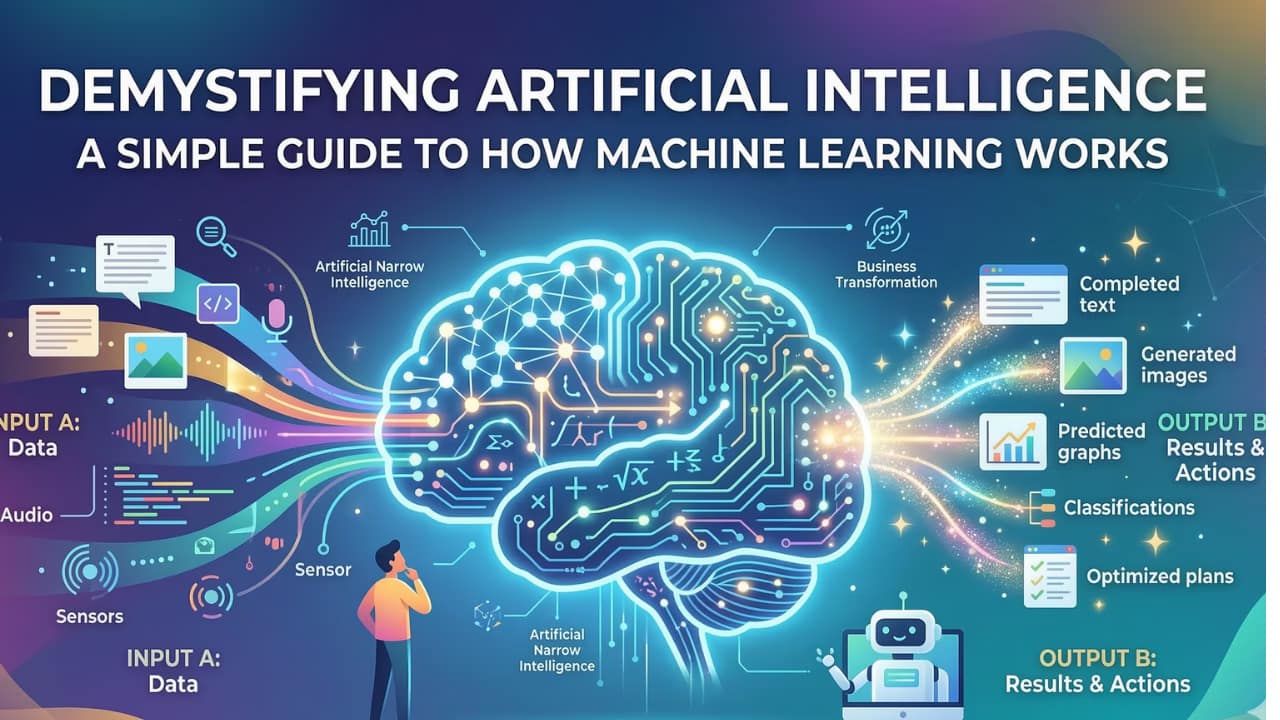
Before building a strategy, it is helpful to understand how everyday AI products actually function behind the scenes. Let’s look at two common examples:
- Smart Speakers: When you ask a smart speaker to tell a joke or set a timer, it goes through a specific pipeline. First, it uses trigger word detection to wake up. Next, it uses speech recognition to convert the audio into text. Then, it relies on intent recognition to understand what you want. Finally, it executes the command.
- Self-Driving Cars: These complex machines process data from images, radar, and lidar. The AI performs car detection and pedestrian detection to understand its surroundings. After perceiving the environment, it uses motion planning to decide whether to steer, accelerate, or brake.
Assembling Your Dream AI Team
You cannot build an AI company without the right people. An effective AI team requires a mix of specialized roles working closely together.
- Software Engineers: They ensure the reliability of the system and execute specific product features.
- Machine Learning Engineers: These experts build and deploy the models that power the AI.
- Data Scientists: Their job is to examine the data, extract valuable insights, and present these findings to the executive team.
- Data Engineers: They organize massive amounts of information and ensure that data is saved in a secure, easily accessible, and cost-effective way.
- AI Product Managers: They help the team decide what to build by figuring out what is technically feasible and highly valuable to the business.
The 5-Step AI Transformation Playbook
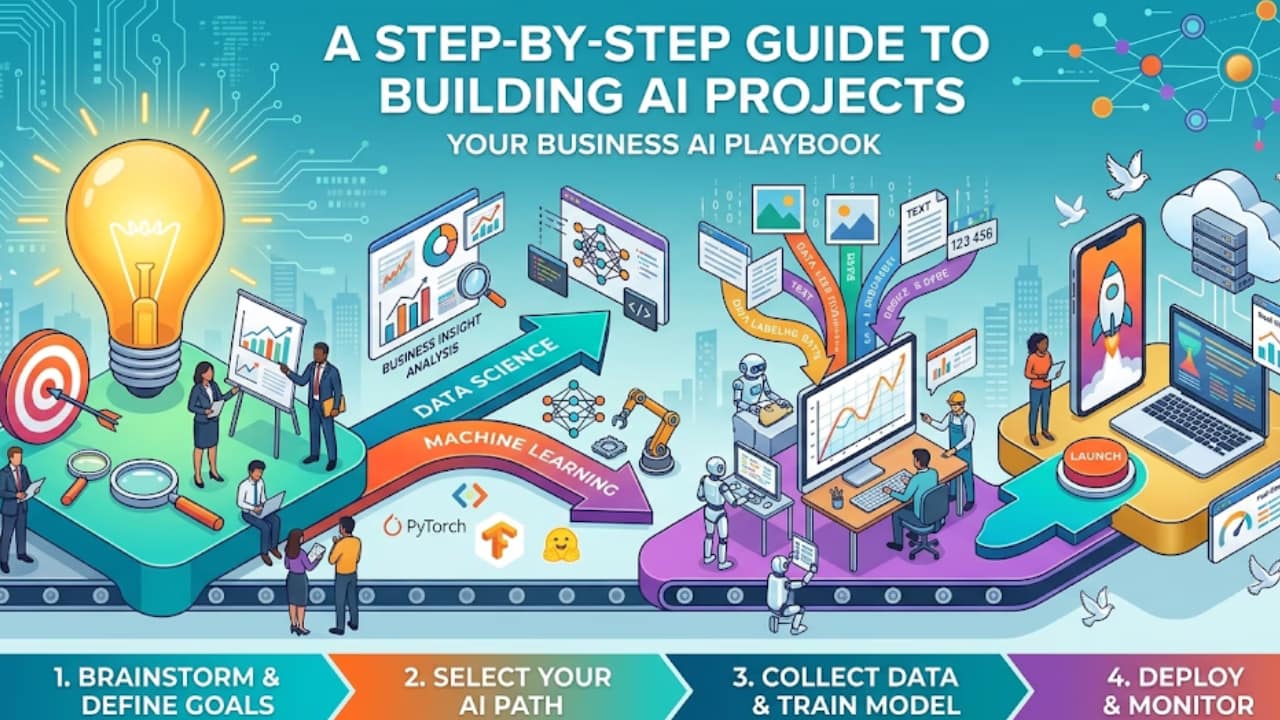
If you want to transition your company into an AI powerhouse, follow this proven playbook.
- Execute pilot projects: Start by running pilot projects to gain momentum. It is more important for the initial project to succeed and show traction within 6 to 12 months than to be the most valuable project.
- Build an in-house team: Focus on building a dedicated internal AI team. This function can report to a CTO, CIO, or a dedicated Chief AI Officer.
- Provide broad training: Offer broad AI training across your entire organization so everyone understands the capabilities of the technology.
- Develop an AI strategy: Create a strategy that leverages AI to build an advantage specific to your industry. Aim for the “Virtuous Cycle of AI,” where better products attract more users, generating more data, which in turn creates a better AI.
- Develop communications: Manage internal and external communications, including investor relations, government relations, and customer education.
Common Pitfalls to Avoid
Many companies fail because they treat AI software like traditional software. Here are a few things to avoid:
- Don’t expect it to work the first time: AI development is a highly iterative process, and multiple attempts are usually needed to succeed.
- Don’t isolate your engineers: Do not just hire a few Machine Learning engineers and expect them to come up with all the business use cases on their own. You must pair engineering talent with business talent to find the most valuable projects.
- Don’t wait for superstars: You do not need a team of world-renowned AI researchers to get started; keep building your team, but get going immediately with the people you have.
Taking Your First Step
Taking the leap into Artificial Intelligence does not have to be intimidating. Start small: encourage your friends and colleagues to learn about AI through reading groups or online courses. Begin brainstorming projects—no project is too small for a first step.
The future belongs to companies that can effectively harness their data and automate intelligent processes. By following these steps, your organization will be well on its way to a successful AI transformation.